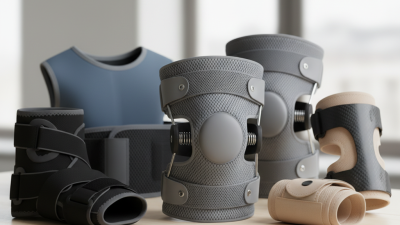
Choosing the right ligament repair technology can impact recovery and long-term health. This decision is crucial for athletes and patients facing surgery. The variety of available options can be overwhelming, making it essential to approach selection thoughtfully.
Expertise in ligament repair technology is vital. Each technique offers distinct advantages and potential drawbacks. Thoroughly researching methods like graft types and fixation systems is necessary. Consider the surgeon’s experience with specific technologies, as skilled practitioners can improve outcomes significantly.
Reflecting on personal needs is critical in this process. Factors such as activity levels, age, and overall health play a role. Engaging in open discussions with healthcare providers fosters a clearer understanding. Making an informed decision is not just about technology; it’s about ensuring a return to optimal function and quality of life.
Understanding ligament repair technologies is critical for athletes and patients alike. These advancements can significantly improve recovery outcomes. Different techniques exist, ranging from traditional suturing to innovative scaffold designs. Each method has unique benefits and potential drawbacks. Thus, knowledge in this area is essential.
When evaluating ligament repair options, consider the specific injury and individual patient needs. Some technologies allow for quicker recovery times but may not be suitable for all cases. Engaging with healthcare professionals can guide your choices based on experience and expertise. Successful outcomes often depend on customized solutions.
Another aspect to consider is the ongoing research in this field. Emerging techniques and materials promise to enhance healing. Staying informed about these advancements can lead to better decision-making. Engage in discussions and seek multiple opinions when selecting a repair technology. This proactive approach can also address any uncertainties or concerns.

When it comes to selecting ligament repair technology, understanding the key factors is crucial. One important consideration is the material used in the repair solution. Biocompatibility ensures that the material interacts well with the body, minimizing rejection. Options vary, from synthetic to natural materials, each with its benefits and drawbacks. It’s important to evaluate how different materials might affect healing and overall recovery.
Another vital aspect is the surgical technique involved. Some procedures are minimally invasive, leading to quicker recovery times. However, they may not be suitable for all patients. A deeper understanding of various approaches helps determine the best fit based on individual needs. Consultation with an experienced professional can provide insights into the implications of each technique.
Lastly, the long-term effectiveness of the repair solution should be assessed. Historical data and clinical studies can guide choices, but outcomes vary based on each case. Keeping abreast of emerging technologies is also beneficial. Sometimes, advancements may introduce new alternatives for ligament repairs that offer more promise than existing methods. Continuously weighing these factors leads to better-informed decisions.
Choosing the right ligament repair technology involves evaluating both traditional and innovative surgical techniques. Traditional approaches, like open surgery, have been the standard for years. These methods often require larger incisions. Healing can take time. Research indicates that traditional techniques have a complication rate of about 10-20%. This statistic raises questions regarding their long-term efficacy and patient satisfaction.
Innovative approaches, such as arthroscopic surgery, offer minimally invasive options. Studies show that these techniques can reduce recovery time by up to 50%. Patients often experience less pain and scarring with innovative methods. However, these newer approaches may not be suitable for every case. Some surgeons express concerns over the learning curve associated with advanced technologies. There is also ongoing debate about the long-term outcomes of these innovative methods.
The choice between traditional and innovative techniques often depends on the specific injury and the patient’s needs. Drafting a personalized plan requires expert consultation. Surgeons must weigh the benefits against potential risks. The decision should be made with careful consideration of the latest data and the individual circumstances of the patient.
When evaluating material technologies for ligament repair, the focus should be on biocompatibility and strength. Various materials like bioactive scaffolds and biodegradable polymers have shown promise. These materials must support cell growth and integrate seamlessly with human tissue. Their ability to withstand stress during healing is crucial.
Testing these technologies in clinical settings is essential. Many materials work well in lab conditions but fail in real-world applications. Monitoring patient outcomes can provide important insights into their effectiveness. It’s important to consider how these materials perform long-term, as complications may arise over time.
Surgeons must also weigh the options available. Some materials may promote faster healing but could introduce complications. Others might offer strength but lack in integration. The decision should be informed by recent research and clinical trials. A thorough understanding of the pros and cons of each material is vital for successful ligament repair.
When evaluating ligament repair technologies, recovery times and long-term outcomes are vital considerations. Recovery varies significantly, often influenced by the surgical method chosen. Traditional suturing techniques may offer quicker immediate recovery but can compromise long-term stability. Conversely, newer technologies might extend initial recovery periods but promise greater durability.
Understanding these nuances is essential. Patients often seek faster rehabilitation, yet a hasty approach may lead to reinjury. Optimizing healing requires balancing immediate function with long-term health. It's crucial to discuss all available options with medical professionals. They can provide insights based on the latest research and their clinical experience. Personal choice plays a significant role too, as individual healing responses differ.
Long-term outcomes include joint stability, pain levels, and overall mobility. Regrettably, some procedures that seem advantageous may result in complications over time. It's not uncommon to hear stories of patients dissatisfied with their long-term outcomes. Being proactive about researching and questioning methods can be beneficial. Each case is unique, so understanding the potential trade-offs is crucial for informed decisions.