Knee reconstruction surgery is crucial for restoring joint health. Dr. Sarah Thompson, a renowned orthopedic surgeon, emphasizes its importance: “This surgery can significantly enhance a patient's quality of life.” The knee supports daily activities, making its function vital for mobility.
Injuries or degenerative diseases can compromise knee function. Patients often endure pain and limited movement without surgical intervention. The goal of knee reconstruction surgery is to restore stability and alleviate discomfort.
Real-life examples highlight the impact of this procedure. Athletes return to sports, while individuals reclaim their independence. However, not all candidates achieve the desired outcomes. Recovery can be challenging, requiring patience and dedication. Reflecting on the complexities, it’s essential to weigh benefits against potential setbacks.
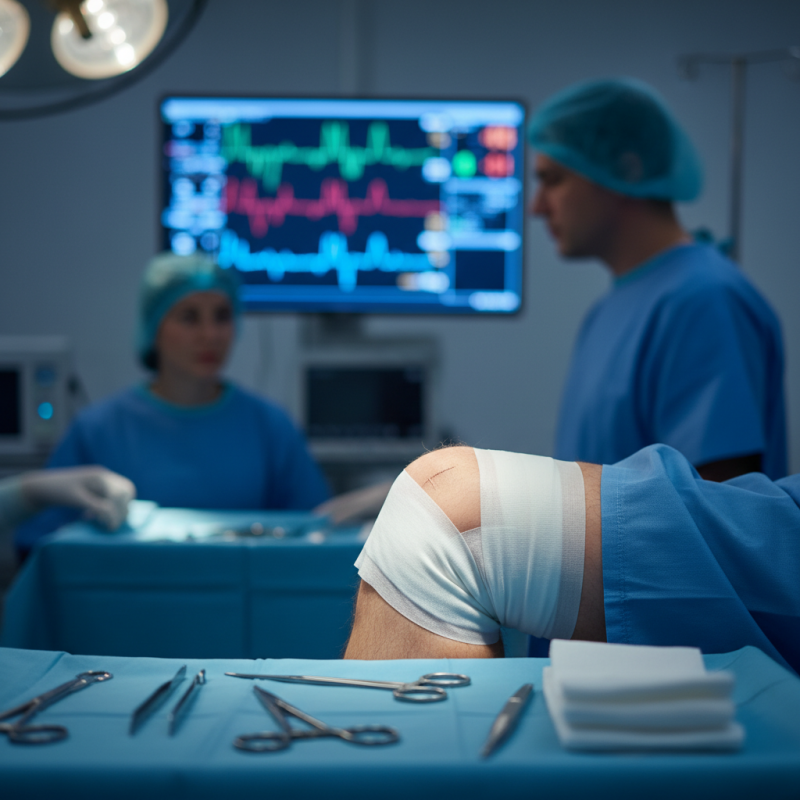
Knee reconstruction surgery plays a crucial role in restoring joint function. This procedure can significantly improve mobility for those suffering from severe knee injuries or chronic conditions. Many individuals experience limited range of motion and chronic pain. Surgery aims to alleviate these issues, allowing for a more active lifestyle.
The surgery typically involves repairing ligaments or replacing damaged cartilage. Post-operative rehabilitation is vital for recovery. Patients often face challenges like stiffness and swelling during recovery. These issues require perseverance and consistent physiotherapy. Personalized recovery plans can help mitigate these complications. It's essential to recognize that healing takes time and not everyone progresses at the same pace.
Despite its benefits, knee reconstruction is not without risks. Potential complications can include infection and blood clots. Understanding these risks helps patients make informed decisions. A thorough discussion with healthcare providers is crucial before proceeding. Realistic expectations are necessary, as complete restoration may not always be achievable. Recognizing individual differences in healing can lead to better outcomes.
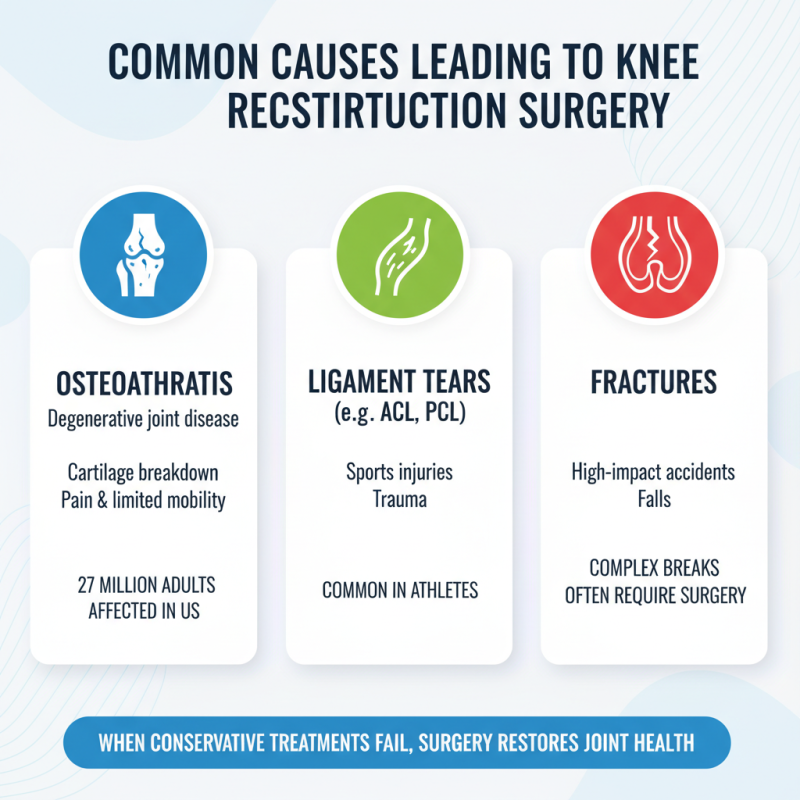
Knee reconstruction surgery plays a vital role in maintaining joint health. Numerous conditions can lead to this necessary procedure. One major cause is osteoarthritis, affecting about 27 million adults in the U.S. alone. This degenerative joint disease leads to cartilage breakdown, resulting in pain and limited mobility. Patients often require surgery when conservative treatments fail.
Injuries from sports or accidents are also common. Anterior cruciate ligament (ACL) tears are particularly prevalent among athletes. Studies show that around 200,000 ACL surgeries occur annually in the U.S. These injuries can significantly impair knee function. Both osteoarthritis and ACL injuries highlight the need for timely intervention to restore mobility and reduce long-term complications.
Additionally, obesity contributes to knee problems. The American Academy of Orthopaedic Surgeons reports that excess weight increases the risk of knee joint degeneration. Each extra pound adds four times more pressure on the knees. Consequently, surgical options may become necessary to alleviate pain and improve joint health. Understanding these causes can lead to better preventive measures and timely surgical decisions.
Knee reconstruction surgery is vital for maintaining joint health. Understanding what happens during this procedure can ease anxiety for many patients. Typically, you're placed under anesthesia, and the surgeon makes incisions to access the knee joint. Damaged ligaments, cartilage, or bone are repaired or replaced. Expect to spend a few hours in recovery. Patients often stay in the hospital overnight.
During surgery, surgeons often use grafts for ligament repairs. Studies show this technique results in a 90% success rate for restoring knee function. Postoperatively, physical therapy is essential. Commit to a structured rehab plan to enhance recovery. Consistent, supervised sessions promote strength and flexibility. It’s not always easy, though. Pain and swelling can be significant challenges.
Tips: Stay proactive about pain management. Use ice and elevation to minimize swelling. Also, keep a journal to track your recovery.
Rehabilitation plays a big role in how well the knee heals. Engage with your therapist and ask questions. Transparency in your treatment plan can lead to better outcomes. Remember, recovery varies by individual, so listen to your body.
| Aspect | Details |
|---|---|
| Purpose | To restore function and alleviate pain in the knee joint. |
| Common Causes | Injuries, Osteoarthritis, Rheumatoid Arthritis. |
| Types of Procedures | Arthroscopy, Total Knee Replacement, Partial Knee Replacement. |
| Recovery Time | Typically ranges from 6 weeks to 6 months depending on the procedure. |
| Expected Outcomes | Reduced pain, improved mobility, enhanced quality of life. |
| Important Pre-Op Tips | Consult with a specialist, review medical history, and set realistic expectations. |
| Post-Op Care | Physical therapy, pain management, regular follow-ups with healthcare provider. |
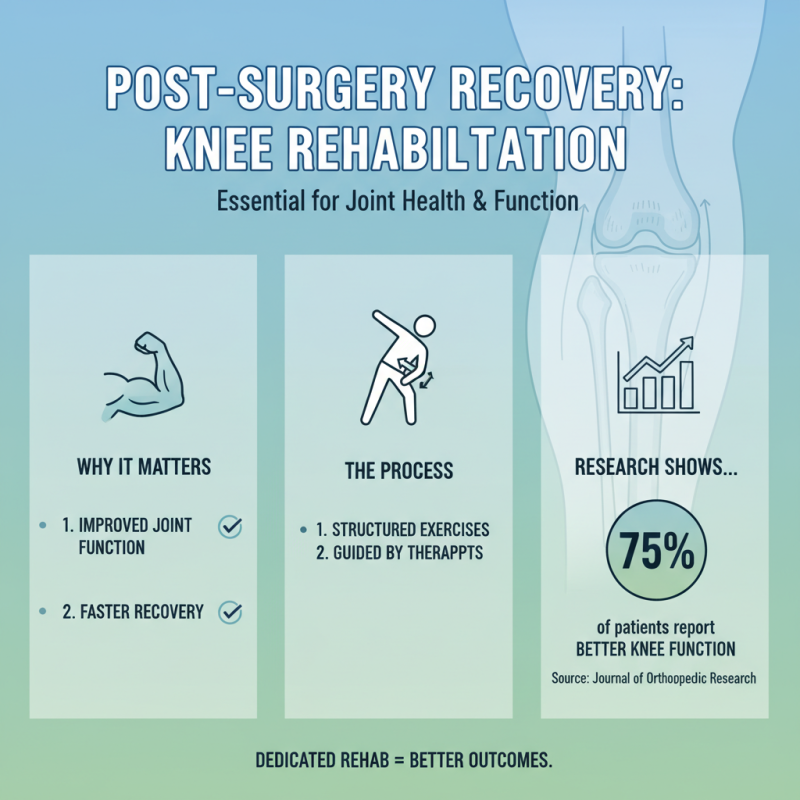
Knee reconstruction surgery can greatly impact joint health. After the surgery, rehabilitation and physical therapy become essential. Research indicates that patients who engage in structured rehabilitation show improved outcomes. A study published in the Journal of Orthopedic Research found that 75% of patients reported better knee function post-recovery when they followed a dedicated rehab program.
Physical therapy helps regain strength and flexibility. It also reduces the risk of future injuries. Evidence from the American Physical Therapy Association shows that proper rehabilitation can decrease chronic pain in about 50% of knee surgery patients. Techniques like range-of-motion exercises and strengthening workouts play a critical role in recovery. However, many patients struggle to adhere to their rehab schedules. This lack of consistency can hinder the healing process.
Realistic goals during rehabilitation can drive motivation. For instance, setting milestones like walking without assistance within three weeks is crucial. Yet, not everyone achieves these milestones due to pain or mental barriers. Acknowledging setbacks is essential for fostering resilience. Overall, effective post-surgery recovery requires a commitment to the rehabilitation journey.
Knee reconstruction surgery plays a vital role in promoting long-term joint health. Studies indicate that around 83% of patients experience significant pain relief following this procedure. In addition, over 60% report improved mobility, allowing them to return to daily activities. This can greatly enhance quality of life, particularly for those struggling with chronic knee conditions.
The benefits of knee reconstruction extend beyond immediate relief. Research shows that over time, patients often experience reduced risk of developing osteoarthritis in the affected joint. Data indicates that individuals who undergo reconstruction are 50% less likely to face severe joint degeneration in the future. However, it's crucial to recognize that recovery is a gradual process, and some may struggle with rehabilitation.
The impact of knee surgery on overall health is substantial. Enhanced mobility can lead to increased physical activity. More activity contributes to better cardiovascular health and weight management. Those who successfully recover often report higher levels of life satisfaction. Yet, some individuals may face hurdles, such as inadequate support during recovery. These challenges can hinder their journey but should be actively addressed by healthcare providers.