
>

How to Source Ginseng Extract in 2026?

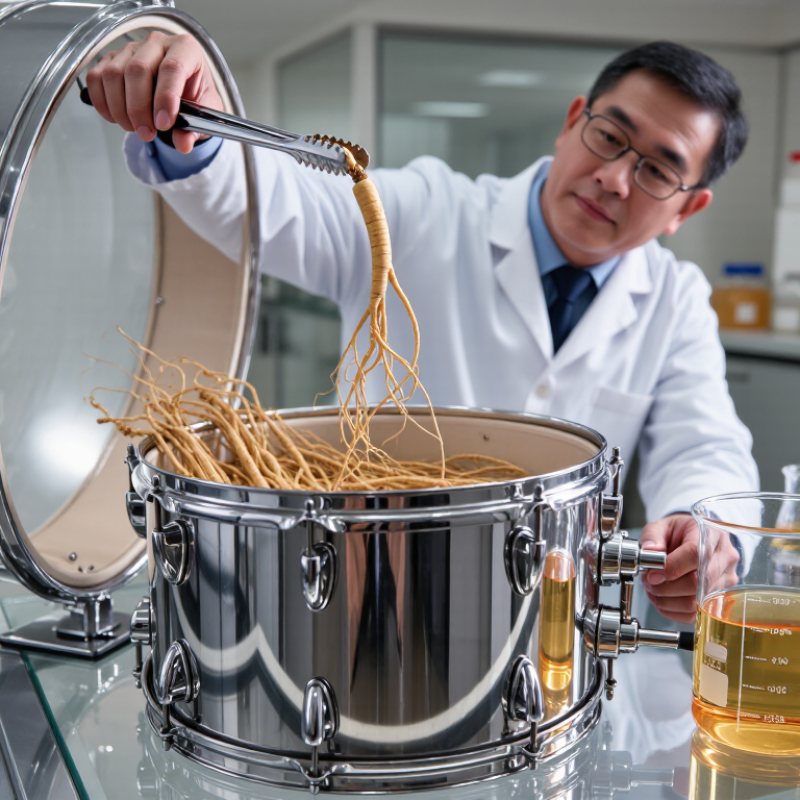
Sourcing Ginseng Extract in 2026 requires more than comparing prices on a supplier spreadsheet. Buyers must verify botanical identity, cultivation practices, extraction methods, and batch consistency. The key question is simple: what exactly is inside the drum?

Market reports show why this category deserves careful evaluation. Grand View Research estimated the global ginseng market at approximately USD 1.15 billion in 2023, with continued growth expected through 2030. IMARC Group has reported a larger market value, reflecting different product definitions and regional coverage. These figures are not directly interchangeable. However, both reports indicate expanding demand for standardized botanical ingredients. The American Botanical Council’s HerbalGram market reports also provide useful context on consumer interest in herbal supplements in the United States.

A reliable sourcing process should request certificates of analysis, identity testing, heavy-metal results, pesticide screening, and microbiological data. Ask whether the extract is standardized by total ginsenosides or specific compounds, such as Rg1, Rb1, and Rg3. The label matters.

Experience also reveals a practical problem. Some suppliers present attractive specifications without explaining sampling methods or laboratory accreditation. A low price may hide weaker traceability, unstable supply, or inconsistent potency. That risk becomes visible when two lots look identical but dissolve differently in water.

No scorecard is flawless. Buyers should still audit assumptions, compare independent test results, and inspect production records where possible. This guide explains how to evaluate Ginseng Extract suppliers in 2026, from raw-material origin to final documentation, while keeping quality, transparency, and regulatory responsibility at the center.
How to Source Ginseng Extract in 2026?

Define Panax Species, Origin, and a 10:1 Extract Ratio for 2026

How to Source Ginseng Extract in 2026?

Start by defining the Panax species on your purchasing specification. Panax ginseng C.A. Meyer usually refers to Asian ginseng, while Panax quinquefolius refers to American ginseng. These species are not interchangeable. Their ginsenoside profiles, growing regions, and commercial uses can differ. Request the botanical name, plant part, cultivation country, harvest year, and root age. “Ginseng extract” alone is too vague.

A 10:1 extract ratio means approximately ten kilograms of raw root produce one kilogram of extract. It does not automatically mean ten times stronger. Processing losses, moisture, extraction solvents, and carrier materials affect the final result. Ask for the native extract ratio, solvent details, and a current certificate of analysis. Test for marker ginsenosides, identity, microbial limits, heavy metals, pesticides, and undeclared fillers. The ratio matters.

Traceability should reach the farm or collection area. Photos, batch records, and sealed samples can expose inconsistencies early. I would compare two batches before committing to a yearly contract. One supplier may provide a beautiful specification sheet but weak lot-to-lot evidence. That is a warning. Require independent laboratory verification for identity and contaminants. Also check storage conditions, because heat and humidity can change extract quality. My own sourcing mistake would be trusting a 10:1 claim without confirming whether it describes the original root or a concentrated blend.

Set a Verified Ginsenoside Target, Such as ≥10% Total Content

How to Source Ginseng Extract in 2026?

Set a verified ginsenoside target before requesting samples. A practical starting point is ≥10% total ginsenosides, measured on a defined dry basis. This number is a specification, not proof of quality. Ginseng composition varies with species, plant age, harvest season, and extraction conditions. I would require the botanical identity, plant part, extraction ratio, solvent, and moisture level. Small details matter.

Ask suppliers for batch-specific HPLC or UPLC results, not a generic product sheet. The report should identify key markers, including Rg1, Rb1, Rg3, and Re, where relevant. It should explain how “total” was calculated. USP quality guidance emphasizes identity, purity, and characteristic constituent testing for botanical materials. Independent laboratory confirmation remains valuable. It may expose an uncomfortable gap between a claimed 10% result and the actual lot.

Market pressure also supports tighter verification. The 2024 HerbalGram market report recorded US herbal supplement sales of approximately $12.6 billion in 2023. The Global Wellness Institute valued the worldwide wellness economy at $6.3 trillion in 2023. These figures indicate strong demand, but demand can reward vague claims. A supplier should provide a certificate of analysis, heavy-metal results, microbial limits, pesticide screening, and stability data. I would also retain a sealed reference sample. One weakness remains: a single test cannot describe every future batch. Oversight must continue.

Screen GACP and GMP Suppliers Using Three-Batch COA Records

How to Source Ginseng Extract in 2026?

Screen GACP and GMP Suppliers Using Three-Batch COA Records

Sourcing ginseng extract should begin with traceability, not a glossy sales presentation. Ask for COA records from three recent production batches. Each document should match the lot number, production date, extraction ratio, and declared ginsenoside profile. Missing links deserve questions.

Review whether cultivation and collection follow GACP principles, then examine GMP controls at the processing site. A useful COA should identify the test methods and acceptance limits. Check identity testing, ginsenoside levels, moisture, microbial counts, heavy metals, pesticides, and residual solvents. Do not accept “passed” without numerical results.

Compare the three batches side by side. Stable results suggest controlled sourcing, while wide variation may indicate inconsistent roots or processing. Ask who performed the testing and whether the laboratory is independent and suitably accredited. Request deviations, corrective actions, retain-sample policies, and supply-chain records. Small details matter.

A supplier may provide complete COAs yet still lack strong change-control practices. I would not treat paperwork as proof of every claim. An on-site or remote quality audit can reveal storage problems, weak calibration records, or unclear cleaning procedures. No checklist is perfect. Leave room for doubt, especially when results look unusually uniform.

Confirm Rb1, Rg1, and Re Levels by HPLC in an ISO 17025 Lab

How to Source Ginseng Extract in 2026?

A reliable ginseng sourcing process starts with the extract profile, not the sales brochure. Request Rb1, Rg1, and Re results from an independent ISO/IEC 17025 laboratory. These ginsenosides can vary with species, growing region, harvest age, and extraction conditions.

Ask for the complete HPLC report, not only a certificate of analysis. The report should identify the tested sample, method, reference standards, detection limits, chromatogram, and analyst approval. Check whether the laboratory validated accuracy, repeatability, and recovery. A single percentage without supporting data deserves caution.

Sample handling also matters. Use a sealed, labeled sample with documented chain of custody. Compare the batch number on the report with the physical packaging. Request testing for moisture, microbiological quality, heavy metals, and pesticides through suitable accredited methods. HPLC confirms selected ginsenosides, but it does not prove every safety characteristic.

A COA can look convincing.

One practical mistake is accepting “total ginsenosides” as a substitute for individual Rb1, Rg1, and Re values. It is not enough for consistent formulation work. I would also avoid judging quality from one high marker alone. A strong Rb1 result may still hide an unbalanced profile or poor process control. Keep retained samples, record supplier responses, and repeat testing when results seem unusually perfect. Supplier documents help, but independent evidence carries more weight.

How to Source Ginseng Extract in 2026?

Confirm Rb1, Rg1, and Re Levels by HPLC in an ISO 17025 Lab

Representative HPLC assay results for three non-branded Panax ginseng extract samples. Values are shown as milligrams of ginsenoside per gram of extract. An ISO 17025 laboratory should report the validated method, reference standards, uncertainty, chromatographic conditions, and sample identity together with the numerical results.

Compare MOQ, Lead Time, Landed Cost, and 2026 Compliance Risks

How to Source Ginseng Extract in 2026?

Compare MOQ, Lead Time, Landed Cost, and 2026 Compliance Risks

Sourcing ginseng extract in 2026 requires more than comparing price per kilogram. Ask for the botanical species, plant part, extraction solvent, extract ratio, and marker compounds. A low MOQ may suit a product trial, but it can raise the unit cost sharply. Larger MOQs may reduce pricing while creating storage, expiry, and cash-flow pressure. Request representative samples before approving a production lot. Test identity, ginsenosides, moisture, microbes, pesticides, heavy metals, and residual solvents through an independent laboratory. Small details matter.

Lead time should include formulation review, sampling, testing, production, customs clearance, and delivery. A supplier quoting 20 days may exclude laboratory release or port delays. Build a buffer, especially before seasonal demand. Calculate landed cost with freight, insurance, duties, brokerage, testing, relabeling, and possible rejection losses. I would compare two MOQ scenarios rather than one. The cheaper quote sometimes becomes expensive after one failed shipment.

Compliance risk deserves a separate file. Confirm the destination market’s rules for food, supplements, cosmetics, or other permitted uses before ordering. Keep current specifications, allergen statements, origin records, batch traceability, and claim substantiation. Do not rely on a generic certificate of analysis. Check whether testing matches the actual batch and method. Regulatory limits and labeling expectations can change during 2026. That uncertainty is easy to underestimate. A documented supplier audit helps, but it cannot replace buyer verification. Leave room for corrective action when results conflict.

Article Source: