How to Choose Melamine Faced Plywood in 2026?
Choosing Melamine Faced Plywood in 2026 requires more than matching a color sample. The right panel must balance appearance, strength, moisture resistance, safety, and long-term value. A pale oak surface may look excellent under showroom lighting, yet reveal scratches beside a kitchen window. Small details matter.
This guide examines the plywood core, melamine surface, adhesive quality, thickness, edge performance, and intended application. It also considers emissions documentation, supplier testing, and traceable product information. Reliable manufacturers should provide technical data, batch details, test results, and clear maintenance guidance. Certifications can support a decision, but they should not replace practical inspection. Check the panel edges. Examine the surface under direct light. Ask how it performs after repeated cleaning.
Different projects demand different priorities. Cabinet doors need stable panels and durable edges. Wardrobe interiors may focus more on appearance and easy cleaning. Commercial furniture often requires stronger abrasion resistance and consistent supply. Cost remains important, but the cheapest board can create higher replacement expenses later. Think beyond the first invoice.
No checklist is flawless. Even experienced buyers can overlook humidity, installation quality, or mismatched hardware. That weakness deserves attention. A sensible decision compares samples, test evidence, supplier reliability, and real project conditions. This approach helps buyers select Melamine Faced Plywood with greater confidence, while leaving room to question attractive claims and reassess them before purchase.
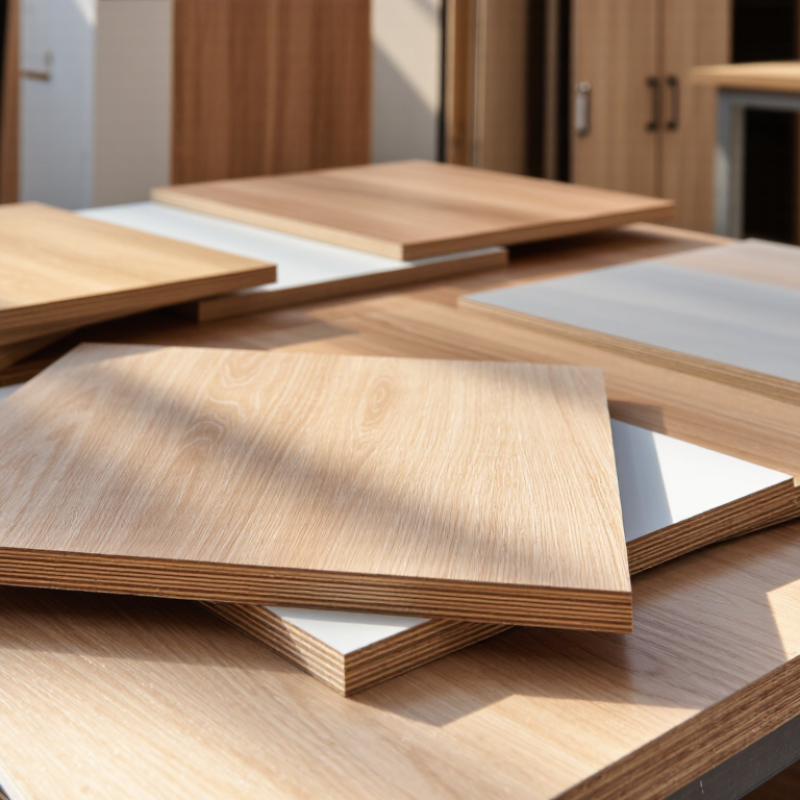
Understanding Melamine Faced Plywood and Its Core Features
Melamine faced plywood combines a layered wood veneer core with decorative paper saturated in melamine resin. Heat and pressure bond the surface to the plywood. This creates a smooth, consistent panel for cabinets, shelves, wall units, and furniture interiors. The face resists everyday scratches, stains, and light moisture better than unfinished plywood. It is not waterproof, however. Exposed edges can still absorb water and swell.
The plywood core deserves equal attention. Look along the panel edge for even veneer layers, minimal gaps, and a flat profile. A stable core supports cleaner cutting and reduces warping during installation. Surface texture also matters. A matte finish hides fingerprints, while a smoother finish cleans more easily. Check the panel’s thickness tolerance, formaldehyde emissions documentation, and suitability for indoor use. My first selection mistake was judging only the color. The core quality caused more trouble than the pattern.
Tips: Ask for a cut sample when possible. Inspect the edge after sawing. A clean cut suggests better bonding and fewer internal voids. Match the panel to its environment. Kitchens and laundry areas need careful edge sealing, ventilation, and protection from standing water. Do not assume every melamine surface has the same abrasion rating. Confirm the manufacturer’s technical data before specifying panels for busy commercial spaces.
Evaluating Surface Finish, Core Quality, Thickness, and Edge Details
How to Choose Melamine Faced Plywood in 2026?
Surface finish should match the room, not only the sample board. Check gloss consistency under side lighting. A smooth panel can still show waves near joints. Use EN 14322 guidance for melamine surface performance, including abrasion and staining resistance. Kitchens need stronger resistance than bedroom wardrobes. Ask for test results, not attractive photographs. I would also inspect a cut edge. Small chips often reveal weak bonding or a brittle overlay.
Core quality controls long-term stability. Look for uniform veneers, tight glue lines, and limited internal gaps. USDA Forest Products Laboratory’s Wood Handbook reports that indoor wood commonly reaches about 6–9% equilibrium moisture content. Poorly dried cores may swell after installation. That figure is useful, but not universal. Local humidity changes everything. Choose panels tested for formaldehyde emissions under EN 13986 or equivalent requirements; the E1 limit is 0.124 mg/m³ in chamber testing.
Thickness deserves measurement. A “18 mm” panel may vary after sanding or finishing. Measure several points with a calibrated caliper. For shelving, compare the actual span, load, and support spacing. Edge details matter too. Sealed edges reduce moisture entry, while clean machining improves visible joints. PVC or solid-wood edging should bond continuously, without hollow sections. I would not trust one inspection point. Corners can look perfect while the center fails. That is where a careful sample cut becomes valuable.
Checking Safety Standards, Moisture Resistance, and Environmental Credentials
Choosing melamine faced plywood in 2026 requires more than comparing colors and prices. Safety documents should identify formaldehyde emissions, panel composition, and applicable testing standards. Requirements differ between markets, so a certificate from another region may not answer every question. Ask for recent laboratory reports, production dates, and clear compliance statements. Do not trust vague claims.
Moisture resistance needs close inspection. Melamine is a durable surface, but it is not waterproof. Check the plywood core, adhesive type, edge sealing, and intended service class. A kitchen cabinet near a sink needs better protection than a bedroom shelf. Look for swelling data after water exposure, not only phrases like “water resistant.” Even strong panels can fail when unsealed edges repeatedly absorb moisture. A neat surface can hide a weak core.
Environmental credentials deserve the same scrutiny. Responsible sourcing may be supported by chain-of-custody certification, recycled content records, or an environmental product declaration. Low-emission adhesives also matter, especially in bedrooms, schools, and offices. Ask whether the data covers the finished panel, not just the raw veneer. This distinction is easy to miss. I would also check packaging, transport distance, and expected service life, because disposal impacts are often ignored. A perfect environmental claim is unlikely; transparent limitations are more credible. Keep copies of every document and compare them with the actual panel markings before installation.
Comparing Suppliers, Costs, Installation Needs, and Long-Term Value
How to Choose Melamine Faced Plywood in 2026?
Supplier quality affects every later decision. Request technical data, core construction details, formaldehyde classification, thickness tolerance, and moisture resistance. A reliable supplier should provide recent test reports and clear batch information. Ask how panels are stored before delivery. Warped sheets often reveal poor handling, not poor design. Samples matter. Inspect the surface under side lighting for color shifts, bubbles, and chipped edges.
Compare the complete cost, not just the sheet price. Include cutting, edge banding, delivery, fasteners, waste, and replacement risk. A low quote may exclude protective packaging or accurate cutting. Get at least three itemized offers. Check payment terms and realistic lead times. In 2026, stable supply may be worth a slightly higher price, especially for kitchens, offices, and retail fixtures. Still, higher cost does not automatically mean better value.
Installation needs should guide the specification. Confirm panel thickness, screw holding strength, visible-edge requirements, and room humidity. Leave suitable expansion gaps, support long shelves, and seal exposed edges near sinks. Use clean blades to reduce melamine chipping. Small details matter. A skilled installer can save material, but poor measurements can erase that advantage quickly. I would not rely only on showroom appearance; one attractive sample cannot prove long-term performance. Review maintenance instructions and warranty limits before ordering, then test one assembled unit under normal use.
How to Choose Melamine Faced Plywood in 2026?
A practical comparison of typical material cost, installation effort, expected service life, and long-term value for common melamine-faced plywood specifications. Costs are planning benchmarks in USD per square metre and may vary by region, thickness, finish, and order volume.
Reading the chart: Higher service-life and value scores indicate better long-term performance. Pre-finished panels can reduce finishing work, while thicker structural-grade plywood generally requires more installation effort but offers improved durability and load capacity.